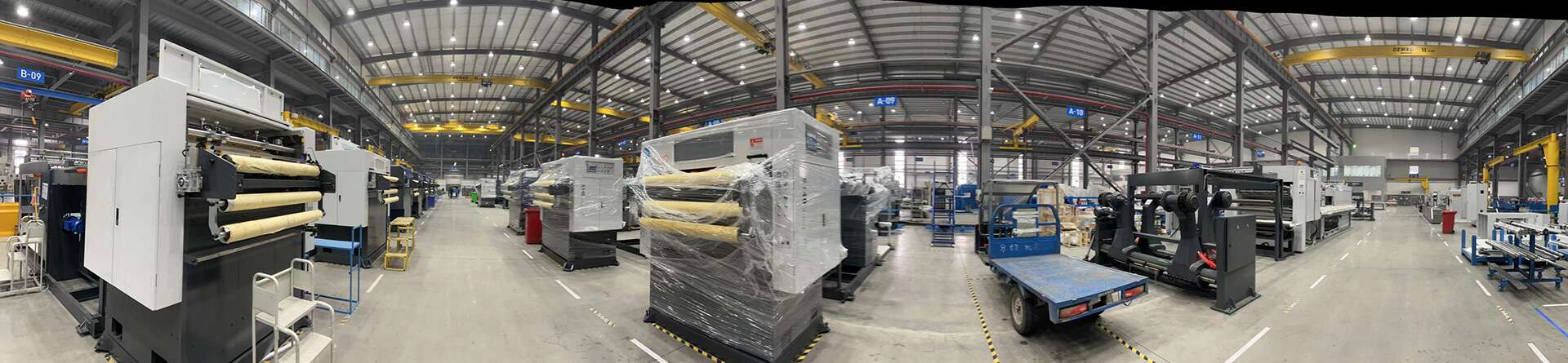
Important points to note when using the high-speed die-cutting machine during processing
Date:2026-01-16 16:21:28 Views:504
Personnel Requirements
Professional training and qualifications: Operators must undergo professional training and hold relevant qualification certificates. They should be familiar with the operation procedures of the die-cutting machine, safety precautions, and emergency handling methods.
Personal protection: Wear the required safety equipment such as safety shoes, safety glasses, noise-canceling earplugs, gloves, etc., to avoid accidental injuries.
Equipment inspection and preparation
Installation and fixation: The die-cutting machine must be installed on a hard and stable surface and securely fixed to prevent the machine from shaking or moving during operation, which could affect the die-cutting accuracy and safety.
Component inspection: Before each use, check the switches, power supply, various protective facilities, blades, pressure wheels, conveyor belts and other components of the machine to ensure they are functioning properly, without any wear or damage. If any abnormalities are found, replace or repair them promptly.
Clearing up debris: Remove any clutter around the equipment and from the workbench, keep the operation area clean and unobstructed, and prevent debris from entering the machine to avoid disrupting its normal operation or causing safety accidents.
Material Preparation: According to the processing requirements, prepare the appropriate materials and clean and pre-treat them to ensure that the dimensions, shapes, hardness, etc. of the materials meet the requirements, and avoid poor die-cutting effects due to material issues.
Operating Procedures
Operate strictly according to the procedures: Operators must follow the steps outlined in the manual for operation. They are not allowed to adjust parameters, change operation methods, or touch the moving parts inside the machine at will, to prevent equipment malfunctions or safety accidents.
Avoid coming into contact with dangerous areas: During the operation of the die-cutting machine, it is strictly prohibited to place fingers, arms or any other body parts near the die-cutting area to prevent accidental injuries.
Proper use of knife molds: It is strictly prohibited to use damaged or overly worn knife molds. Select the appropriate knife mold according to different cutting requirements, and conduct regular inspections and replacements to ensure the sharpness and accuracy of the knife molds.
Control material size: Do not insert overly long or oversized raw materials into the die-cutting machine to avoid problems such as blockages and overheating, which may affect the normal operation and lifespan of the equipment.
Parameter adjustment: Based on the characteristics of the materials and processing requirements, appropriately adjust the pressure, speed, size, etc. of the die-cutting machine to ensure product quality and production efficiency, while avoiding equipment damage or material waste caused by improper parameter settings.
Equipment Maintenance and Care
Regular cleaning: After each use, it is necessary to promptly remove waste, dust and debris from the surface of the equipment and its surroundings. Also, regularly perform deep cleaning inside the machine to prevent the accumulation of dust and debris, which may affect the performance of the equipment.
Lubrication maintenance: Regularly lubricate the moving parts such as the guide rails and gears to ensure smooth operation of the machine and reduce wear and failure rates.
Component replacement: Based on the usage frequency and wear condition, regularly replace easily worn components such as blades, protective equipment, and fuses to ensure the normal operation of the machine.
Fault Record and Analysis: Record the time, problem and solution method of each repair in detail. Analyze and summarize the fault situation of the equipment to promptly identify potential issues and take effective preventive measures to extend the service life of the equipment.
Safety and Emergency Handling
Exception handling: If abnormal noises, odors, smoke, sparks or other abnormal conditions are detected in the die-cutting machine, the machine should be immediately shut down and the maintenance personnel should be notified for inspection. Do not continue to use it, as it may cause more severe damage or safety accidents.
Emergency response: In case of emergencies such as fires or electrical failures, operators should immediately warn the surrounding personnel, evacuate the site promptly, and use fire-fighting equipment to extinguish the fire source. At the same time, they should cut off the power supply to avoid the risk of electric shock.